


AI in Architecture: How Technology Is Transforming Design
Author: FERDOUS KABIR
Tags: ARCHITECTURE AI MODERN TOOLS
Artificial Intelligence (AI) is reshaping the architectural world faster than ever before. What was once a field driven mainly by hand-drawn concepts and long manual processes is now evolving into a high-tech, data-driven industry where creativity and efficiency work side by side. Today, architects use AI not to replace design thinking, but to enhance it—making projects faster, smarter, and more sustainable.
Smarter Concept Generation
AI tools can quickly generate multiple conceptual designs based on a site’s dimensions, climate data, user needs, and zoning rules. This helps architects explore more ideas in less time. Early-stage design becomes more flexible, allowing teams to test different forms, massing options, and spatial arrangements with just a few clicks.
Enhanced Visualization & Realistic Rendering
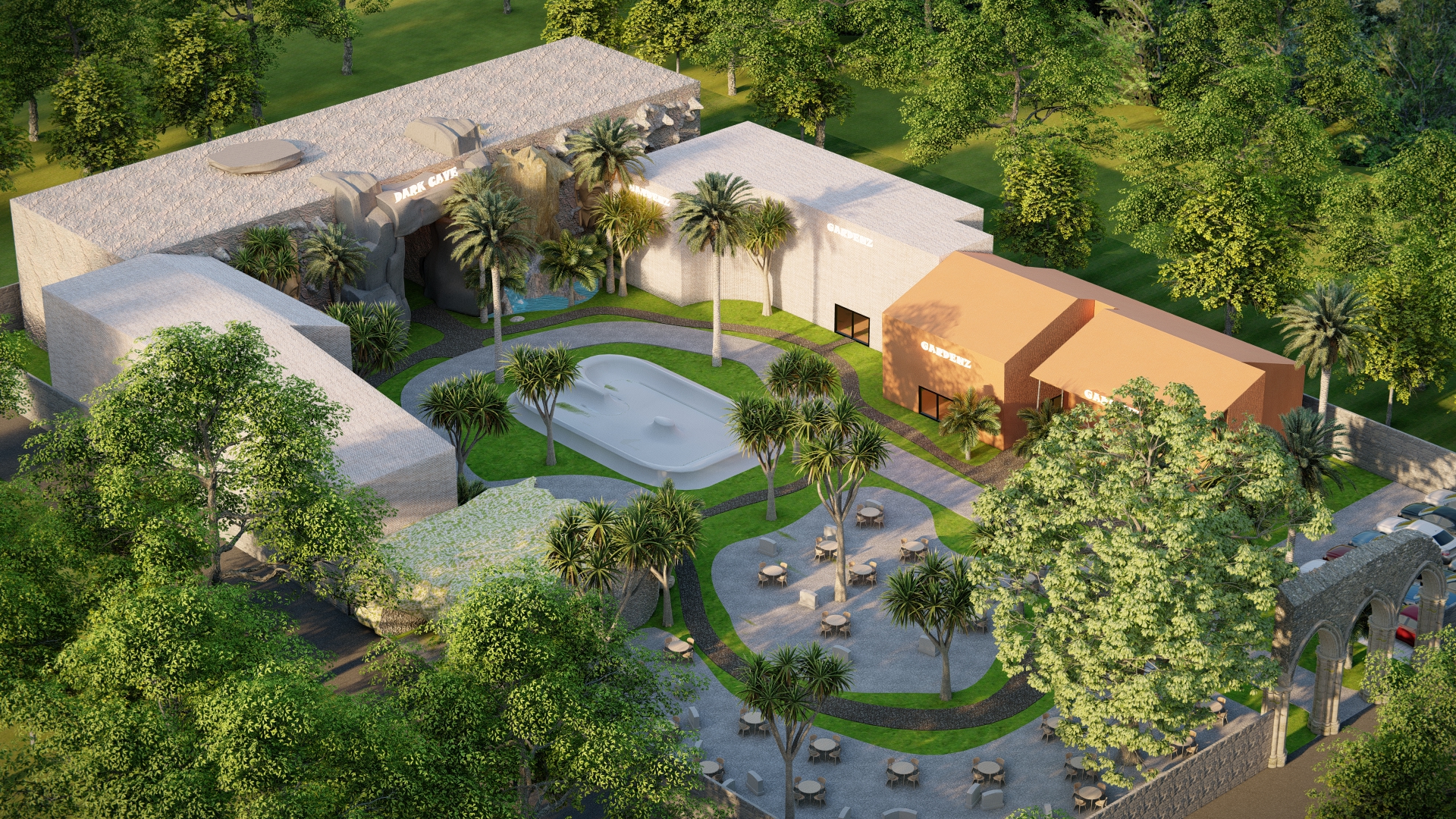
Rendering used to take hours, even days. Now, AI-powered rendering engines can produce realistic images in minutes. Tools like real-time upscalers, smart material generators, and automated lighting adjustments help architects deliver high-quality visuals faster—ideal for client presentations and marketing.
Design Optimization for Sustainability
Sustainability is no longer optional, especially in regions like the UAE. AI can analyze sun paths, wind flow, material performance, and energy consumption to optimize buildings for better comfort and lower environmental impact. This leads to smarter façade design, improved shading strategies, and more efficient landscape layouts.
Automated Drafting & BIM Assistance
AI-enhanced BIM systems can detect clashes, suggest structural solutions, correct repetitive errors, and even automate documentation. This reduces project delays and improves coordination across architecture, engineering, and construction teams.
Improved Project Management
From cost estimation to scheduling, AI tools help teams stay on track. Predictive algorithms warn about potential delays, budget changes, or resource issues before they happen – giving firms more control over complex projects.
Landscape Architecture + AI
AI is equally powerful in outdoor design. It can:
Suggest plant palettes based on climate and maintenance levels
Predict long-term growth patterns
Generate 3D landscape visuals instantly
Optimize irrigation layouts for water savings
This makes landscape projects more efficient, sustainable, and visually refined.
Will AI Replace Architects?
The answer is no. AI is a tool—just like CAD, BIM, or rendering software. It speeds up workflows and removes repetitive tasks, but human creativity, cultural understanding, and spatial sensitivity remain irreplaceable. The future belongs to architects who combine their design skills with AI-powered tools to deliver better experiences for clients.